The 2026 Global 6G Conference was held in Nanjing.
International | 2026/4/27April 21, 2026, The 2026 Global 6G Conference, hosted by the Purple Mountain Laboratories and the FuTURE FORUM, opened in Nanjing. Zhou Hongbo, Member of the Standing Committee of the Jiangsu Provincial Party Committee and Secretary of the Nanjing Municipal Party Committee; Zhao Yan, Vice Governor of Jiangsu Province; Wu Hequan, Academician of the Chinese Academy of Engineering (CAE); Sun Youhong, President of Southeast University; and Wang Song, Deputy Director General of the Sixth Department of the Ministry of Science and Technology, delivered speeches at the opening ceremony. Li Baiping, Deputy Secretary of the Nanjing Municipal Party Committee, attended the event. Academicians of the Chinese Academy of Engineering and the Chinese Academy of Sciences—Chen Zhijie, Wang Jinlong, You Xiaohu, Hong Wei, Deng Zhongliang, and Wang Xiaoyun—were also present.
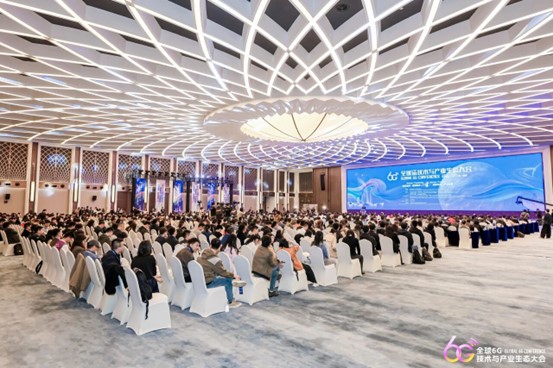
6G represents a critical arena for global technological innovation and industrial competition, and it is also a primary direction for China's future industrial development during the "15th Five-Year Plan" period. Under the theme "Better Future, Better Together" this year's conference integrates intellectual exchange, achievement releases, and talent engagement, driving 6G from vision to reality and from the laboratory to the industrial ecosystem.
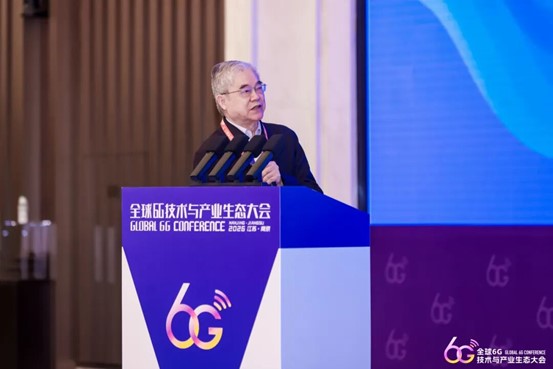
Wu Hequan noted that 6G standardization has shifted from idealized performance targets to pragmatic implementation, with the core objective being commercial viability and sustainable development. Compared to 5G, 6G offers only modest improvements in bandwidth but delivers significant enhancements in latency, reliability, energy efficiency (approximately 90% improvement), and security. It also drives the transformation of networks from "connectivity pipes" to "native intelligent platforms." Looking ahead, 6G must adapt to multi-agent internet architectures, supporting group coordination, dynamic decision-making, and distributed computing, which bring both new opportunities and challenges./p>
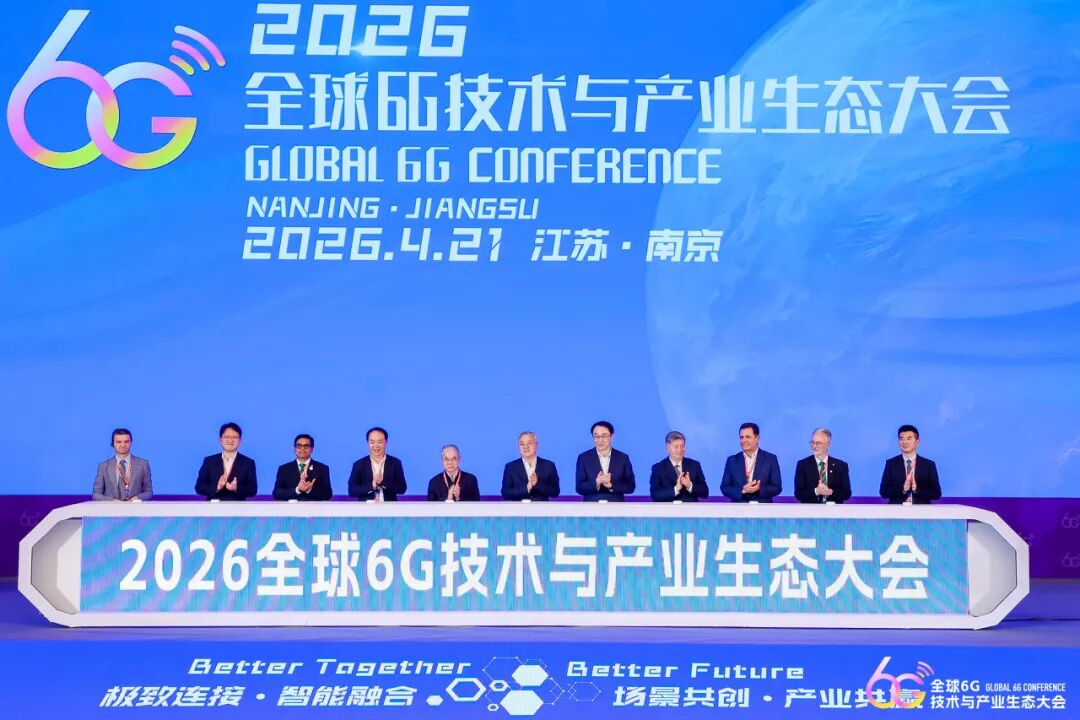
Secretary Zhou Hongbo, Vice Governor Zhao Yan, President Sun Youhong, Academician Wu Hequan, Academician You Xiaohu, together with distinguished guests from the United States, the United Kingdom, Germany, South Korea, Singapore, Serbia, and other countries, jointly inaugurated the 2026 Global 6G Technology and Industry Ecosystem Conference.
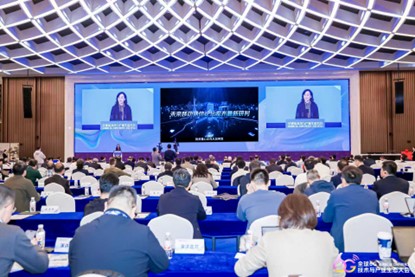
The FuTURE FORUM released its latest five-to-ten-year outlook, "6G Frontier Technologies and the Industrial Ecosystem." This report comprehensively addresses the question "Where is 6G heading?" from the perspectives of global development trends, key technology evolution, industrial landscape restructuring, and ecosystem reshaping. The report highlights six core trends: 6G has entered a critical window where pre-standardization definition and industrial ecosystem incubation proceed in parallel; the bidirectional empowerment of AI and 6G is moving from conceptualization to engineering implementation; industry investment focus is shifting from pure bandwidth expansion to coordinated spectrum, computing power, electricity, and infrastructure deployment; four major industrial camps have emerged globally, with synergy capability becoming 6G's core competitive advantage; operator business models are undergoing paradigm transformation, evolving from traditional traffic-based operations to tokenized services; and the direct 6G industrial scale is projected to exceed 5 trillion RMB by 2030, with AI inference services becoming the primary application driver.
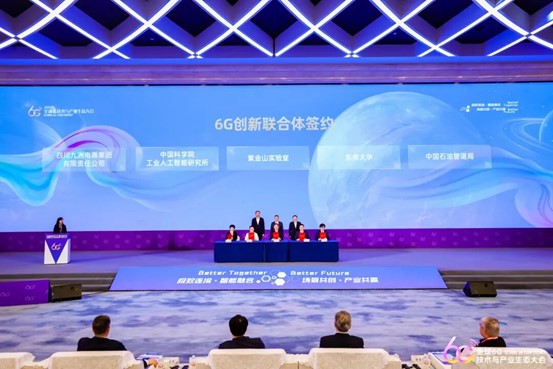
Nanjing is currently accelerating the development of new competitive advantages in future industries through forward-looking deployment, cutting-edge research, full-chain commercialization, and collaborative innovation across the region. At the opening ceremony of the conference, the Southeast University Innovation Ecosystem and Nanjing 6G Future Industry Cultivation Zone was unveiled, and the 6G Innovation Consortium and the Nanjing 6G Future Industry Fund Cluster were formally launched, with the 6G future industry chain fund cluster reaching a total scale of 3.312 billion RMB.
You Xiaohu, Academician of the Chinese Academy of Sciences, Director of the Purple Mountain Laboratories, and Vice Chairman of the FuTURE FORUM; Regius Professor Rahim Tafazolli, Fellow of the Royal Academy of Engineering (UK) and Director of the 5G/6G Innovation Centre at the University of Surrey; and Professor Gerhard P. Fettweis, Fellow of the German Academy of Science and Engineering (acatech) and Professor at Technische Universit?t Dresden, delivered keynote speeches on the future development of 6G.
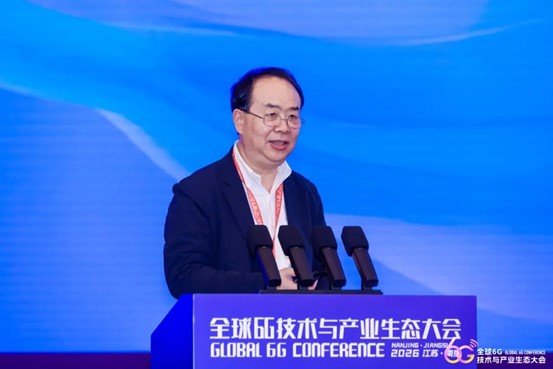
You Xiaohu pointed out that 6G pursues not only extreme connectivity capabilities but, more critically, deep integration of data, control, and information and communication technologies (ICT) to achieve the converged evolution of communications, sensing, artificial intelligence, computing, and control, meeting the data cognition, decision-making, and closed-loop control requirements of 2B vertical industry applications. Academician You proposed the construction of an endogenous data-driven novel converged network architecture. Through innovations in wireless data knowledge graph technologies and embedded TSN mechanisms, the architecture enables knowledge-guided real-time intelligence and deterministic services. Scenario validation based on the Pre-6G testbed demonstrates that the system achieves order-of-magnitude improvements in low-latency determinism, intelligent scheduling, and intelligent computing service capabilities, providing critical support for scenarios such as wireless industrial control and networked embodied intelligence. His research offers a new technological pathway for 6G to evolve from a "connectivity network" to an "intelligent network."
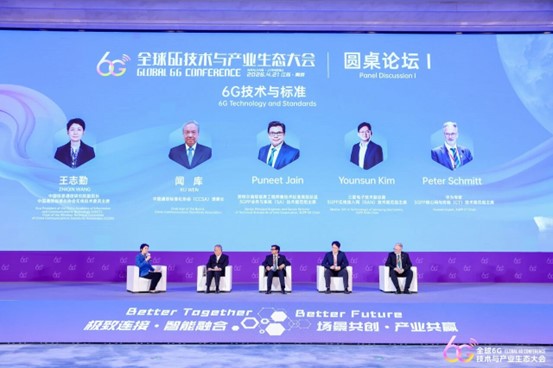
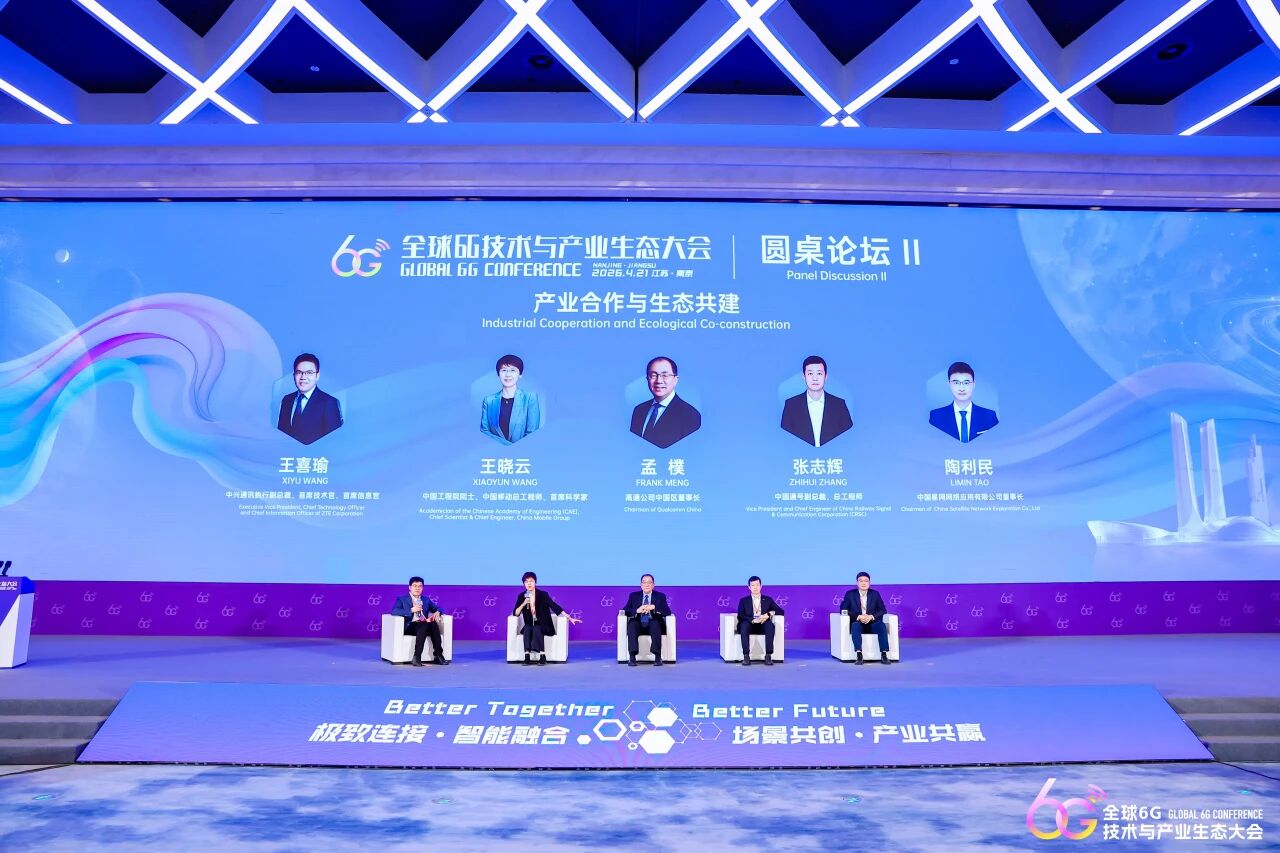
The conference attracted experts, scholars, and industry representatives from the United States, the United Kingdom, Germany, Japan, South Korea, Singapore, and other countries and regions, building a cross-regional, cross-domain international exchange platform. During the conference, two high-level panel forums were convened around key topics including 6G technology and standards, industrial cooperation, and ecosystem co-construction. Representatives from international standards organization 3GPP, the China Communications Standards Association (CCSA), the China Academy of Information and Communications Technology (CAICT), domestic and international telecommunications companies, equipment manufacturers, and industry user enterprises from sectors such as embodied intelligence and transportation engaged in in-depth discussions on standard evolution paths, key technology directions, and industrial coordination mechanisms, further consolidating global consensus on 6G development.

At the opening ceremony, the 6G Frontier Technology Book Series, compiled and edited by the Future Mobile Communications Forum, was unveiled. This series brings together expertise from domestic and international research institutions, enterprises, and experts, systematically reviewing 6G key technology directions and development pathways. It aims to distill frontier theoretical achievements and promote deep integration of academic research and industrial practice. The series is scheduled for official publication and release by the end of this year.
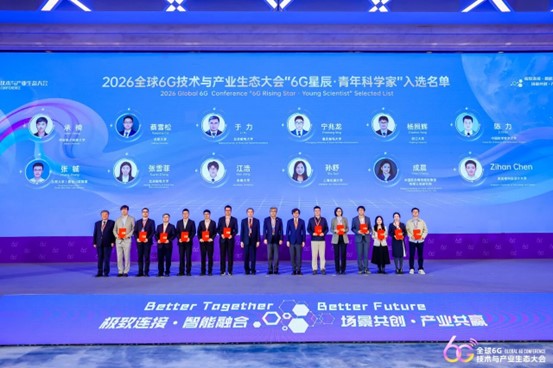
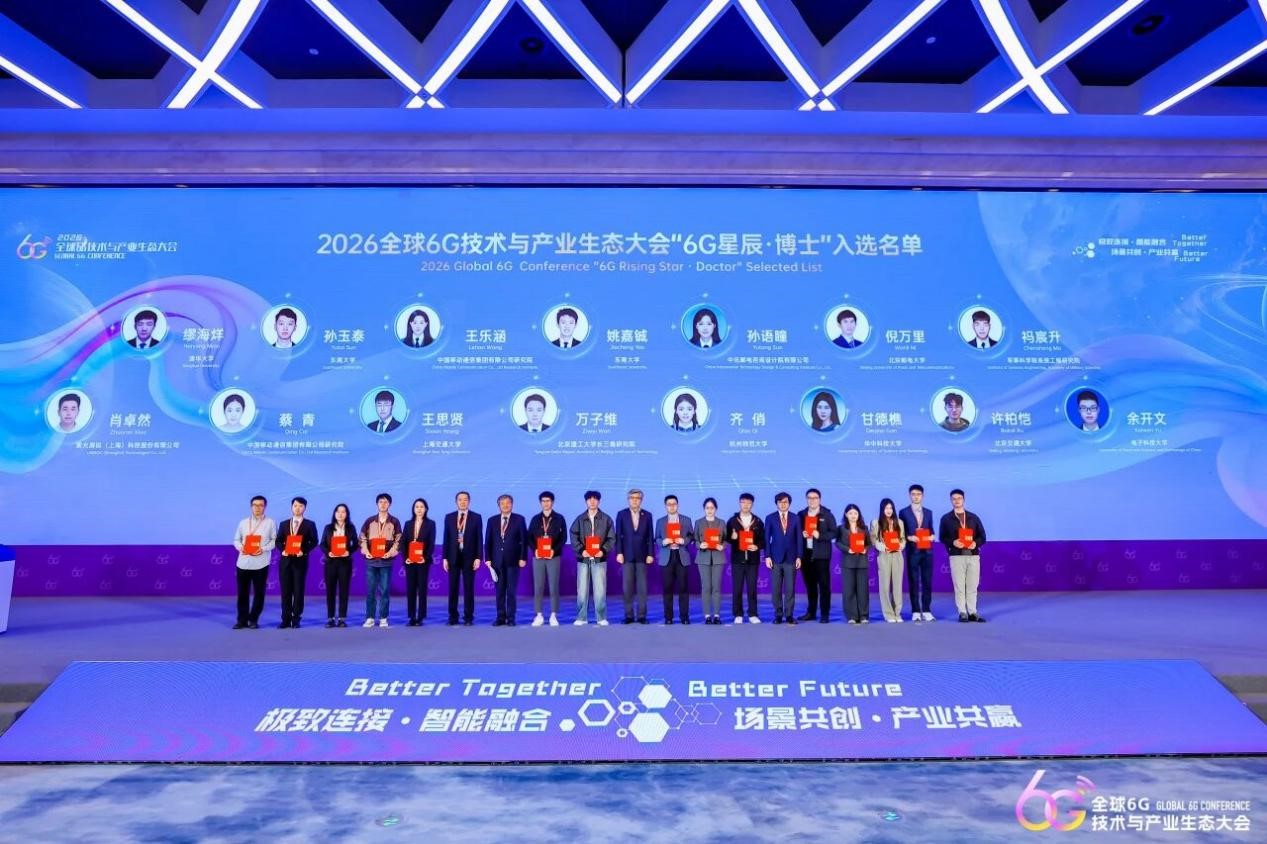
The conference also announced the 2026 "6G Stars" list of young scientists and doctoral candidates. Through open call and selection, the 6G Conference annually identifies young research talents with innovative potential from around the world, providing them with a platform for presentation and exchange, thereby further strengthening the talent pipeline in the 6G field.
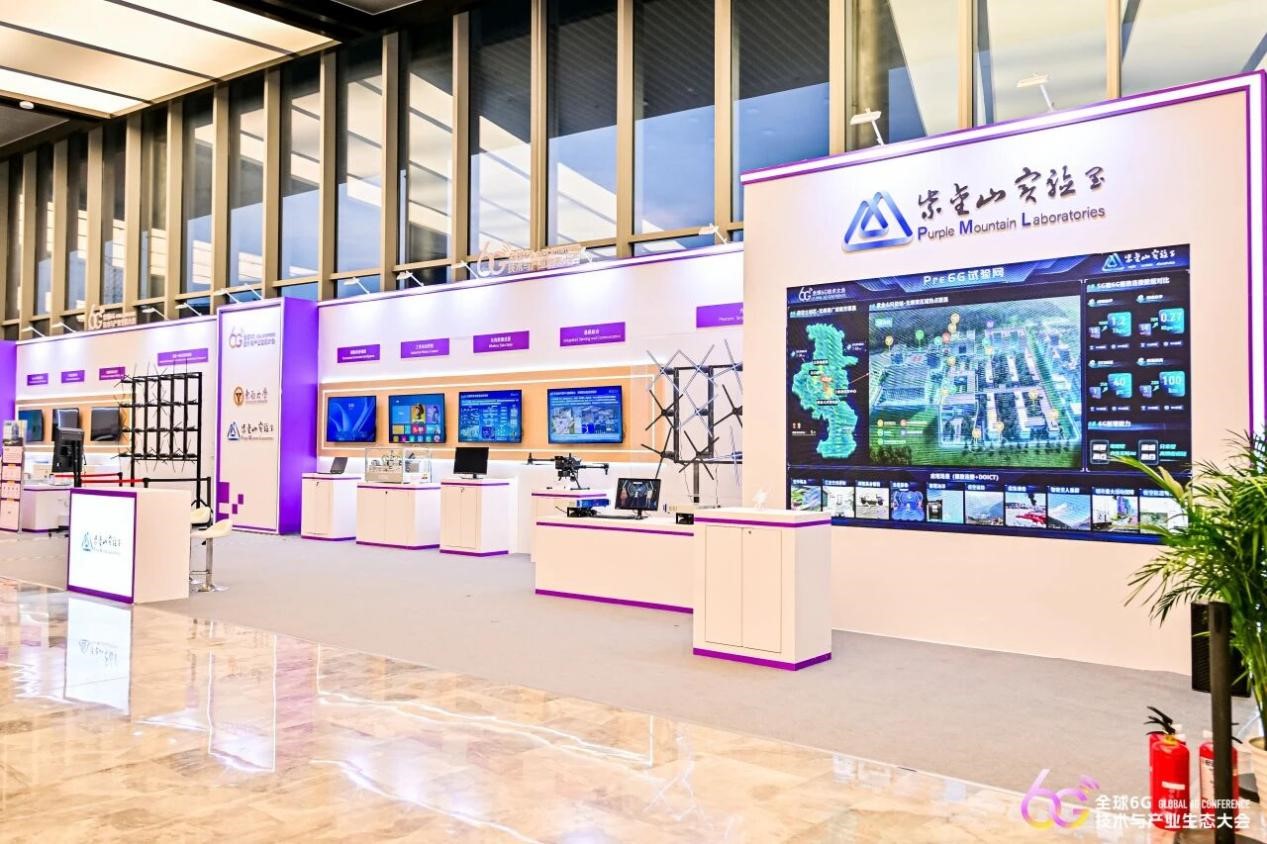
Concurrently, the conference hosted a 6G Frontier Achievements Exhibition, focusing on converged innovation and key capability verification, presenting the progress of 6G key technologies and system capability evolution. Through typical application scenario demonstrations, the exhibition promotes the transition of technologies from concept validation to engineering practice and industrial application.
At present, 6G development is at a critical juncture, transitioning from technological exploration to future industry formation. By bringing together global innovation resources and promoting deep integration of academic exchange, industrial collaboration, and achievement commercialization, the 2026 Global 6G Technology and Industry Ecosystem Conference is accelerating the construction of future-oriented information infrastructure and industrial ecosystems, injecting sustained momentum into 6G development.