2025 Digital Low-Altitude Economy Conference Held in Suzhou
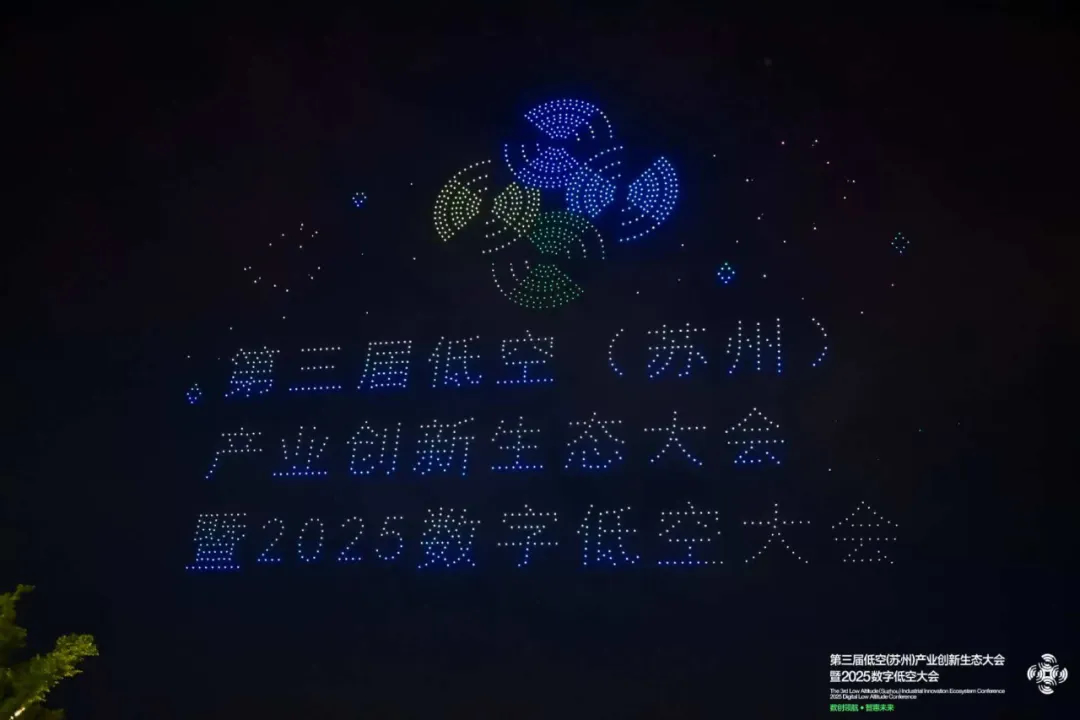
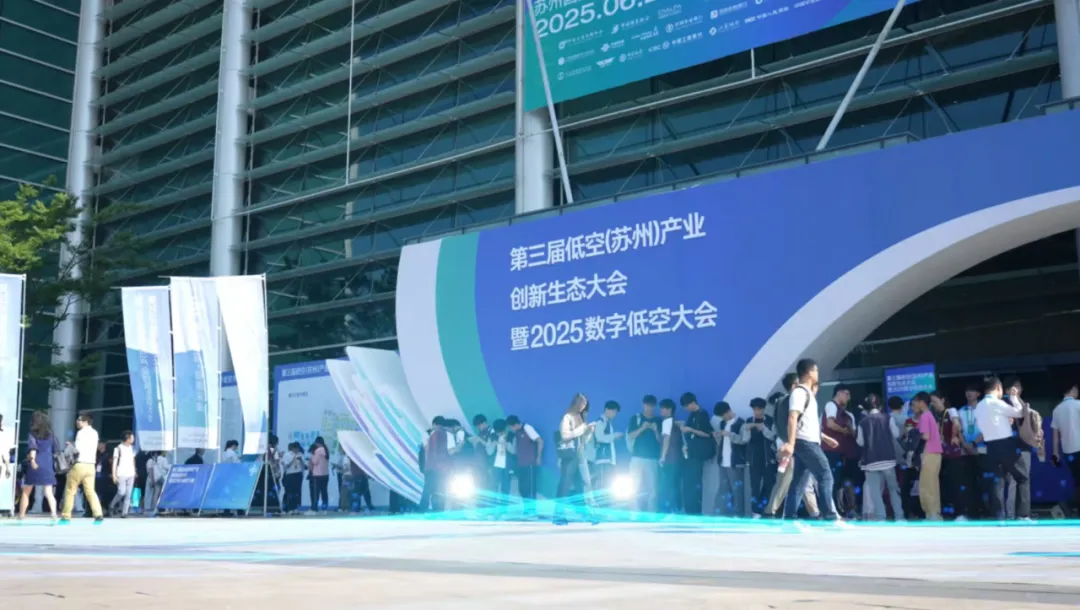
Seminar | 2025/6/28Against the backdrop of the low-altitude economy becoming a key engine for cultivating new quality productive forces, the 2025 Digital Low-Altitude Economy Conference was grandly held on June 27 at the Suzhou International Expo Center. Co-hosted by the FuTURE Forum and Pengcheng Laboratory, and organized by China Telecom Unmanned Technology Co., Ltd., this conference marked a major industry-academic event following the inaugural Digital Low-Altitude Economy Conference held in Shenzhen in 2024, which first introduced the concept of "Digital Low-Altitude" and generated widespread industry resonance.
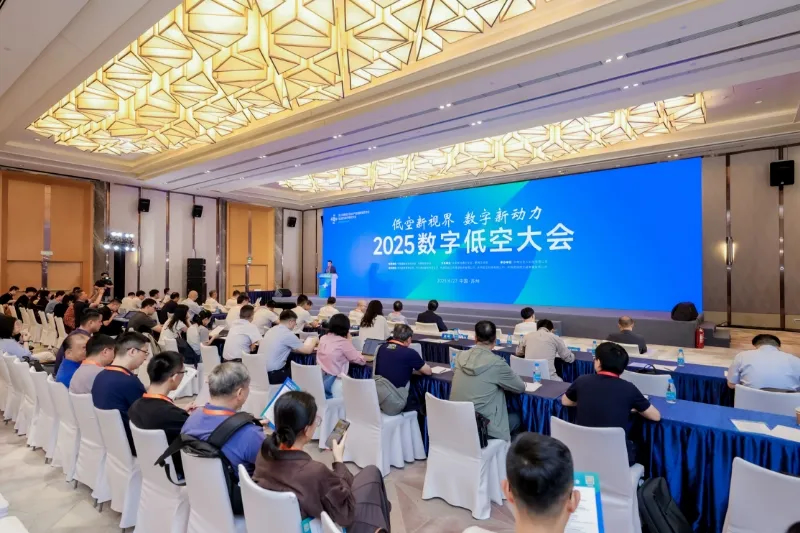
Under the theme "New Horizons in Low-Altitude, New Momentum in Digital," the conference brought together a top-tier lineup of experts, with speakers spanning multiple critical fields including ICT, civil aviation, air traffic control, radar, navigation, remote sensing, meteorology, and security. Leading experts from government regulatory agencies, universities and research institutions, and industry pioneers jointly mapped out a systematic blueprint for low-altitude development. A number of distinguished guests—including Li Jian, former Deputy Director of the Civil Aviation Administration of China; Yin Shijun, Vice Chairman of the Chinese Society of Aeronautics and Astronautics; Bi Qi, Chief Scientist of China Telecom; and Wu Qihui, Vice President of Nanjing University of Aeronautics and Astronautics—delivered key insights, offering in-depth analysis of low-altitude industry evolution trends and critical technological breakthroughs. The conference brought together representatives from the three major telecom operators, as well as Peking University, Beihang University, CRSC Low-Altitude Intelligent Technology, Huawei, ZTE, China Electronics Technology Group Corporation, Jiangsu Aviation Industry Group, Suzhou Low-Altitude Technology, and Shenzhen Urban Transport Planning Center, among other active players in the low-altitude economy. The event presented a high-level ecosystem dialogue integrating communications, sensing, intelligence, and regulation.
Mao Wei, Deputy Mayor of Suzhou Municipal Government; Wen Ku, Chairman of the China Communications Standards Association; and Yu Jian, Vice President of the China Information Industry Association, delivered addresses at the conference.
Deputy Mayor Mao Wei noted that Suzhou is currently seizing opportunities in the low-altitude economy. On one hand, the city is focusing on industrial development, concentrating on key areas such as UAV R&D and manufacturing, intelligent sensing, and airspace management to cluster and cultivate innovative enterprises. On the other hand, Suzhou is vigorously promoting application scenarios including "low-altitude + transportation," "low-altitude + tourism," "low-altitude + education," and "low-altitude + services."
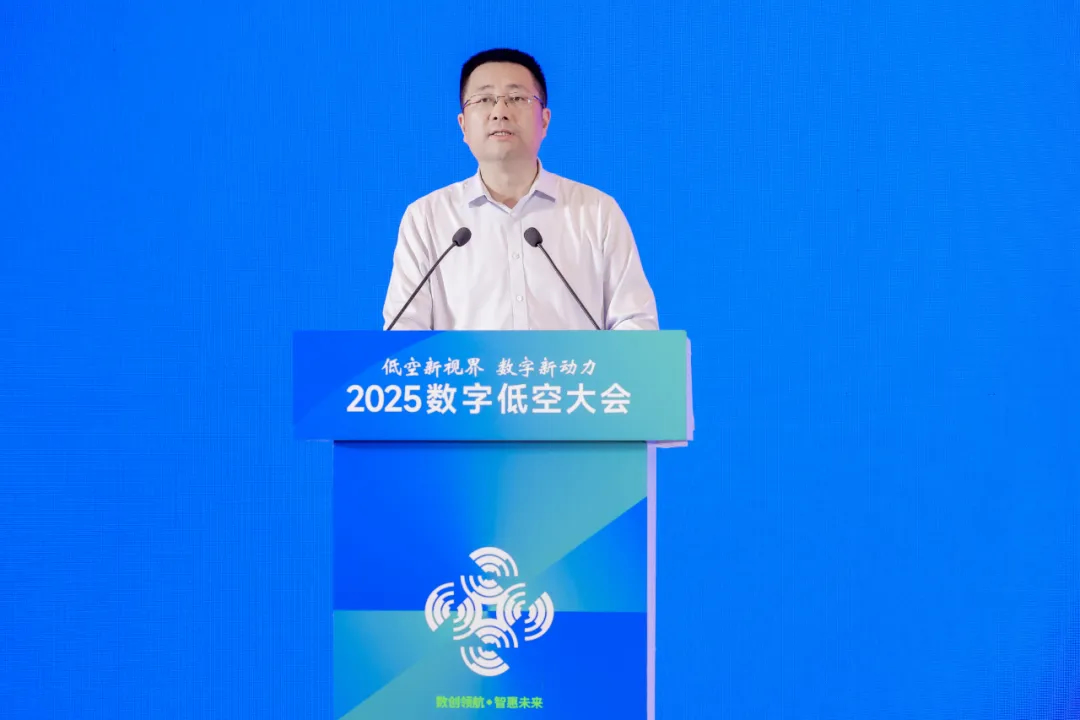
Mao Wei, Deputy Mayor of Suzhou Municipal Government
Wen Ku pointed out that the digital low-altitude economy is not merely a technological issue but a systemic engineering challenge that requires standards to lead the way and ecosystems to be built collaboratively. He recommended starting with 5G-A to advance the standardization of integrated sensing and communications in the low-altitude economy, with a focus on key technology standards in millimeter-wave, reconfigurable intelligent surfaces, and space-air-ground integrated networking. He also suggested accelerating research on advanced 6G communication technologies for low-altitude applications and establishing ubiquitous connectivity architecture standards adaptable to multiple types of unmanned systems.
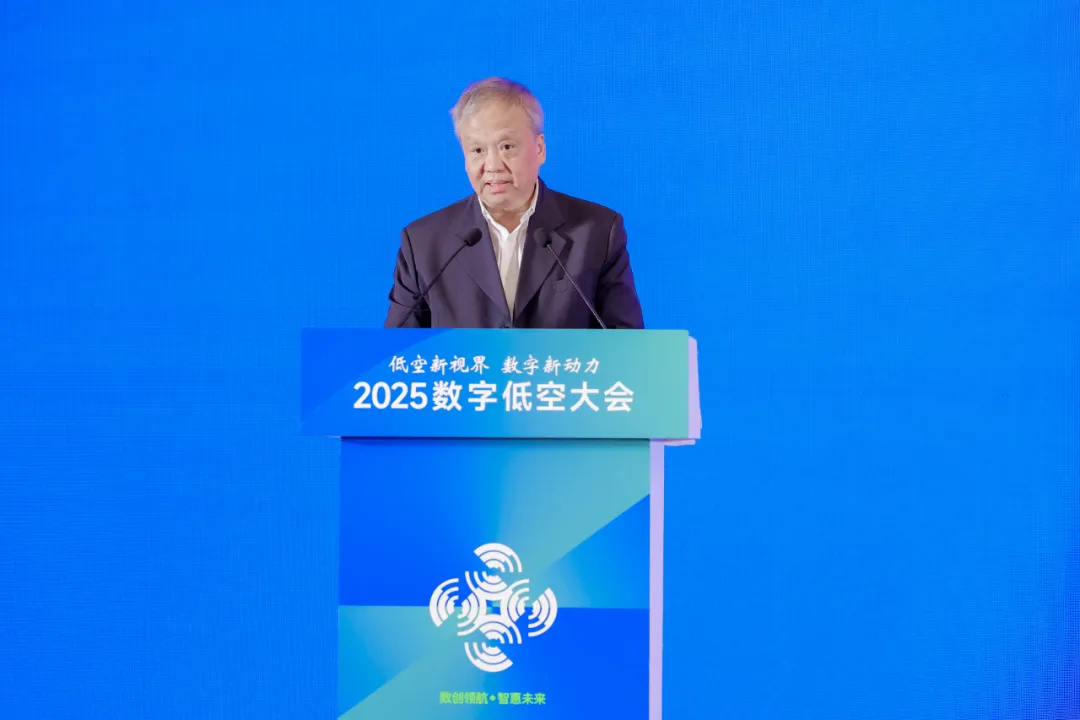
Wen Ku, Chairman of the China Communications Standards Association
Yu Jian emphasized the need to balance policy planning with innovation-driven development, noting that government and market forces should complement each other, while manufacturers, platform service providers, operators, and investment and financing institutions should collaborate closely. On the innovation front, he stressed the importance of breakthroughs in key technologies such as intelligent sensing and high-precision positioning, as well as strengthening data element circulation and security governance capabilities to build a solid digital foundation for the low-altitude industry.
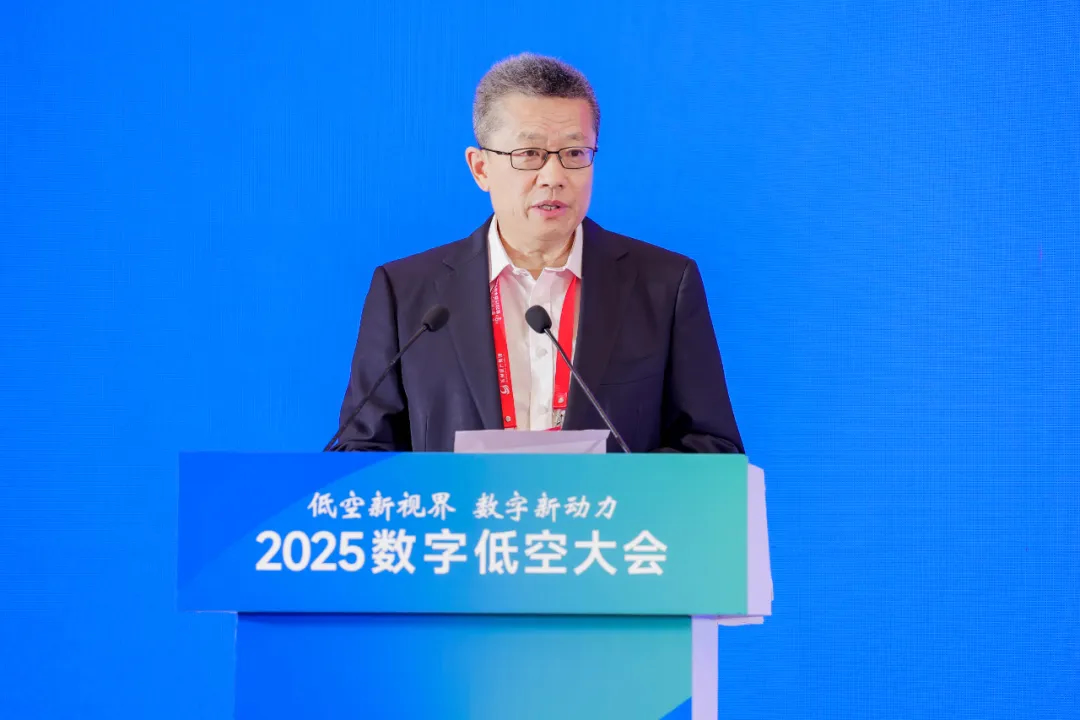
Yu Jian, Vice President of the China Information Industry Association
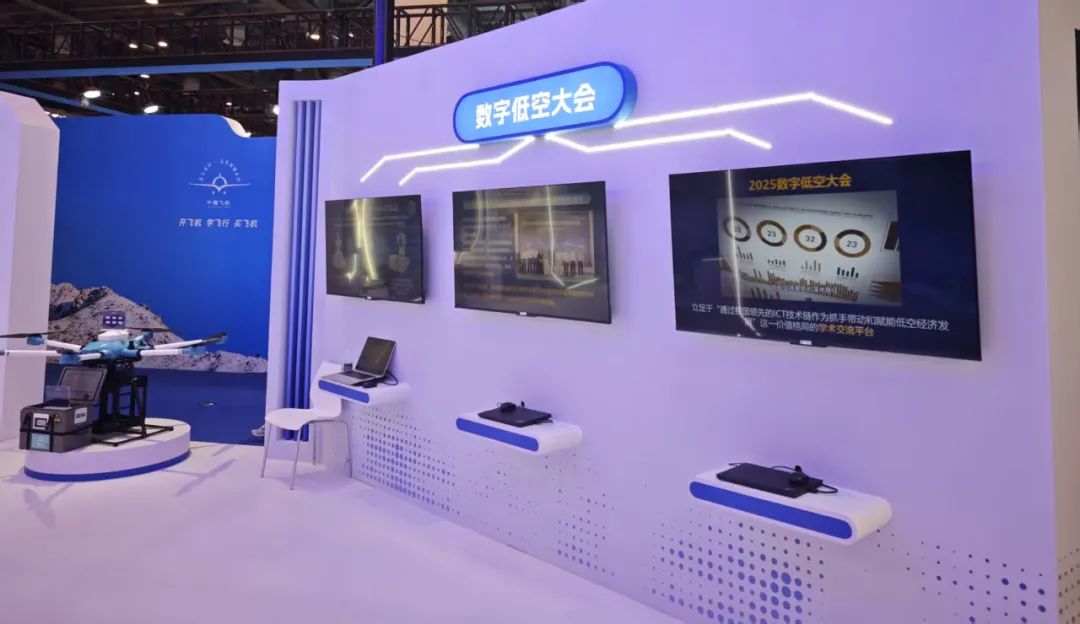
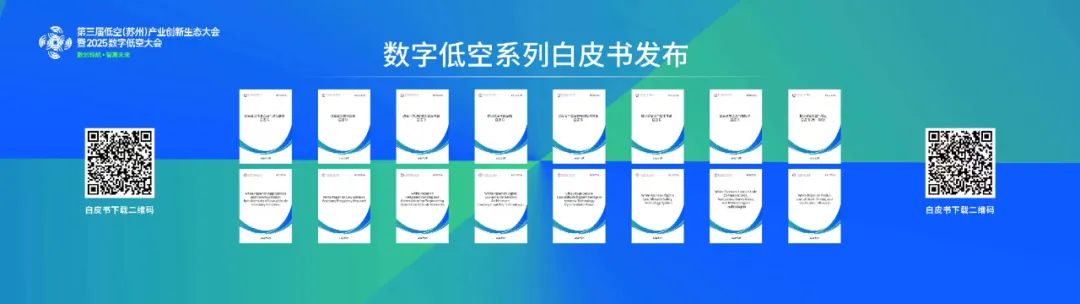
In August 2024, the FuTURE Forum established the Digital Low-Altitude Working Group, with the strategic vision of "leveraging China's leading ICT technology chain to empower the low-altitude economy." Over the past year, the working group has brought together over a hundred experts from ICT and cross-disciplinary fields, reaching broad consensus on the core role of information infrastructure in the low-altitude economy. At this conference, a total of eight white papers—in both Chinese and English—were officially released, covering the full spectrum of needs, spectrum, integrated sensing and communication, network architecture, security and trustworthiness, intelligent air traffic management, and testing and verification. These include the White Paper on Low-Altitude Economy Application Scenarios and Communication Requirements, the White Paper on Frequency Research for the Low-Altitude Economy, and the White Paper on Low-Altitude Communication, Navigation, Surveillance, and Meteorological Technologies.
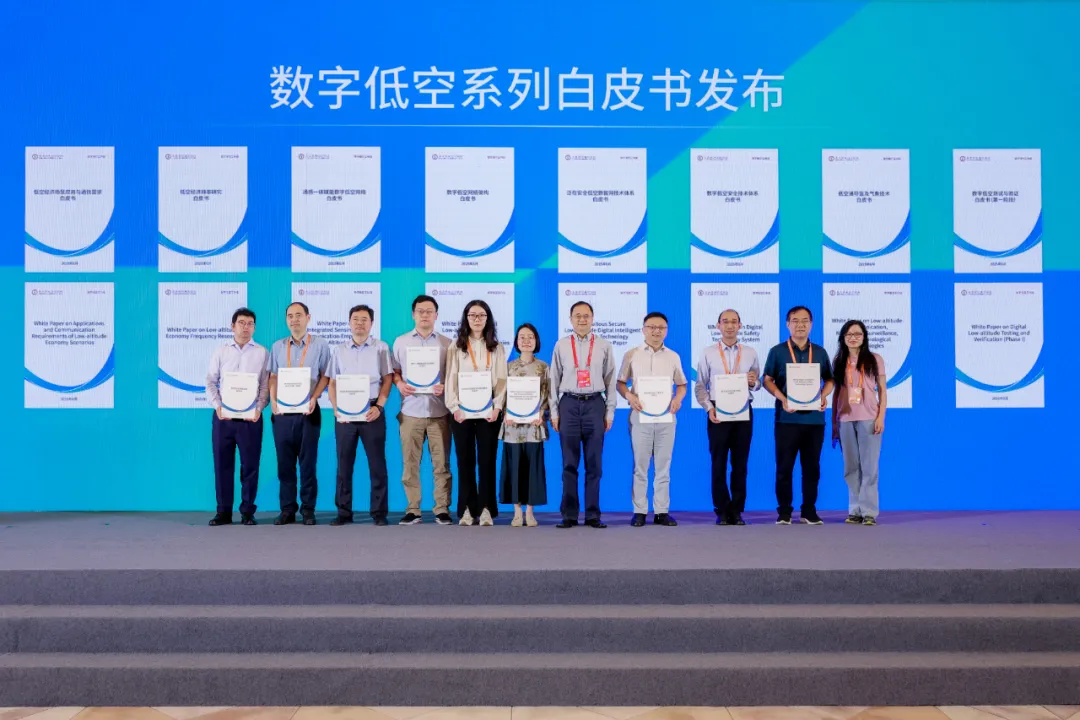
Wu Jianjun, Deputy Secretary-General of the FuTURE Forum, stated at the conference that the 2024 Digital Low-Altitude Economy Conference first introduced the "Digital Low-Altitude" concept, exploring how the digital foundation can safeguard the low-altitude economy. With the combined forces of policy guidance, technological breakthroughs, and pilot applications, the "Digital Low-Altitude" vision has gradually evolved from a strategic concept toward a viable implementation pathway.
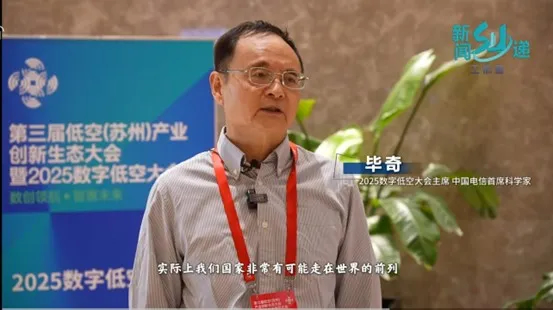
Currently, the low-altitude economy is transitioning from exploratory pilots to systematic development. The 2025 Digital Low-Altitude Economy Conference was not only a premier gathering for conceptual leadership and technological exchange but also a vital bridge connecting research breakthroughs with industrial deployment. As Bi Qi, Chair of the 2025 Digital Low-Altitude Economy Conference and Chief Scientist of China Telecom, noted, the low-altitude economy is moving from the exploration phase into a phase of regulated development. As the critical foundation of the low-altitude economy, Digital Low-Altitude is no longer an abstract concept but an essential pillar driving the digital transformation of entire cities. Only by integrating the "low-altitude economy" with "digital governance" can its full potential be truly unleashed.